

Fruit butters have long held a cherished place in American kitchens, gracing breakfast tables and pantries with their smooth, spreadable sweetness. From the rich and spiced apple butter to the golden tang of peach butter and the earthy warmth of pumpkin butter, these fruit spreads have a story steeped in tradition, resourcefulness, and regional flavors.
What Are Fruit Butters?
Despite the name, fruit butters contain no dairy butter. Instead, they’re made by slow-cooking fruit with sugar and spices until the mixture thickens into a velvety, spreadable consistency. Unlike jams or jellies, fruit butters don’t rely on added pectin for thickening. The long cooking process naturally concentrates the fruit’s flavors and sugars, creating a smooth, glossy spread with an intense fruit taste.
Historical Roots: From Europe to America
Fruit butters have their origins in medieval Europe, particularly in Germany and the Netherlands, where preserving fruit for the long winter months was essential. Immigrants from these regions brought their traditions to the American colonies in the 1700s, particularly to Pennsylvania and surrounding areas.
One of the earliest and most famous varieties is apple butter, introduced by Pennsylvania Dutch communities. Apples were plentiful in the region, and the slow-cooking process made it easy to preserve large harvests without refrigeration. Apple butter became a staple on farms, often made in large copper kettles over open fires during autumn harvest festivals.
Peach butter followed a similar path, especially in the southern United States, where peaches grew in abundance. Meanwhile, pumpkin butter emerged as a New World creation, since pumpkins were native to North America and quickly became a key ingredient in colonial kitchens.
By the 19th century, fruit butters were not only pantry staples but also symbols of hospitality, often given as gifts or sold at local markets.
Varieties of Fruit Butters
Apple Butter: Known for its deep, caramelized flavor and rich brown color, apple butter is typically spiced with cinnamon, cloves, and nutmeg. It pairs beautifully with biscuits, toast, and even savory dishes like pork. Peach Butter: Lighter in flavor and color, peach butter captures the sunny sweetness of ripe peaches. A touch of ginger or cardamom can elevate its taste, making it perfect for scones, pancakes, or as a glaze for meats. Pumpkin Butter: Thick, warmly spiced, and slightly earthy, pumpkin butter combines pumpkin puree with autumn spices like cinnamon, allspice, and ginger. It’s a seasonal favorite, often appearing in fall and winter recipes, from muffins to cheesecakes.
Modern Uses and Appeal
Today, fruit butters have moved beyond the breakfast table. They’re used as fillings for pastries, swirled into yogurt or oatmeal, or incorporated into sauces for savory dishes. Health-conscious cooks also appreciate that fruit butters often require less sugar than traditional jams or preserves because the long cooking time naturally concentrates the fruit’s sweetness.
Artisan and small-batch producers have brought fruit butters back into the spotlight, experimenting with flavors like pear-vanilla, cranberry-orange, and even spicy mango butter. Farmers’ markets and specialty shops often feature these unique varieties, keeping the tradition alive while appealing to modern tastes.
A Spread That Stands the Test of Time
From old-world European kitchens to modern American bakeries, fruit butters have remained a beloved way to preserve and enjoy the harvest. Whether it’s the nostalgic taste of apple butter on warm toast or the bright sweetness of peach butter in a summer dessert, these spreads carry centuries of culinary history in every spoonful.
Here are authentic, easy-to-follow recipes for Apple Butter, Peach Butter, and Pumpkin Butter, all made with traditional methods but adapted for modern kitchens.
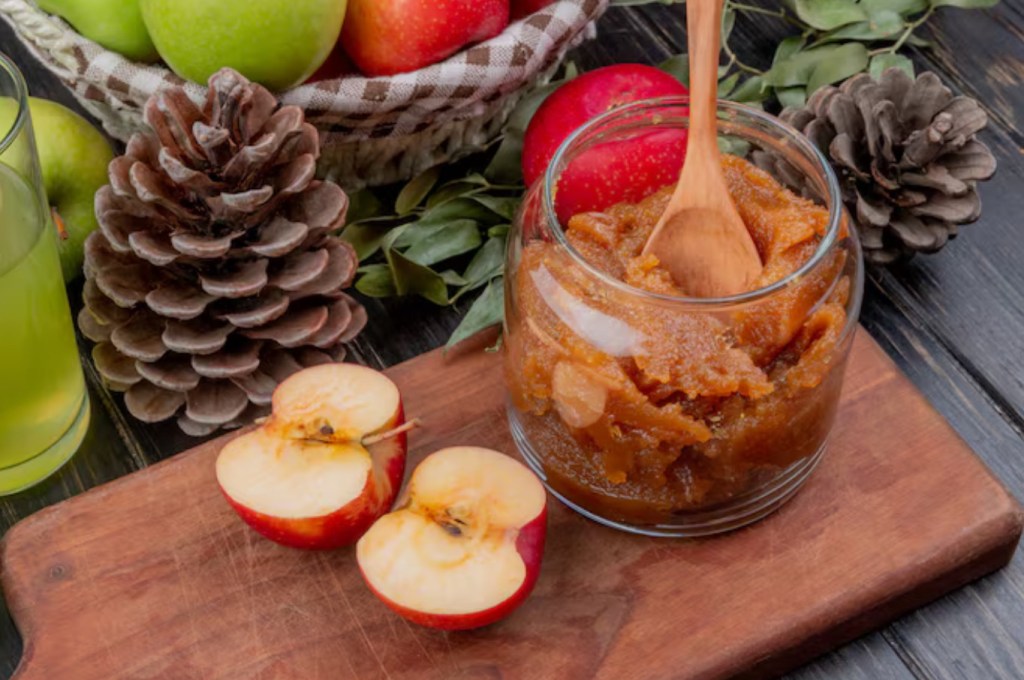
Apple Butter Recipe
Ingredients:
6 pounds apples (a mix of sweet and tart varieties, such as Fuji and Granny Smith)
2 cups apple cider or apple juice
2 cups granulated sugar (or adjust to taste)
2 teaspoons cinnamon
½ teaspoon cloves
½ teaspoon nutmeg
Pinch of salt
Instructions:
Prepare the Apples: Core and slice the apples. No need to peel them; the skins add flavor and color.
Cook the Apples: In a large pot, combine apples and apple cider. Cook on medium heat until the apples are soft, about 20–30 minutes.
Blend: Use an immersion blender (or transfer to a regular blender) to puree until smooth.
Add Sugar & Spices: Stir in sugar, cinnamon, cloves, nutmeg, and salt.
Slow Cook: Reduce heat to low and simmer uncovered for 2–3 hours, stirring occasionally, until thickened to a spreadable consistency.
Store: Spoon into sterilized jars. Refrigerate for up to 3 weeks or freeze for longer storage.
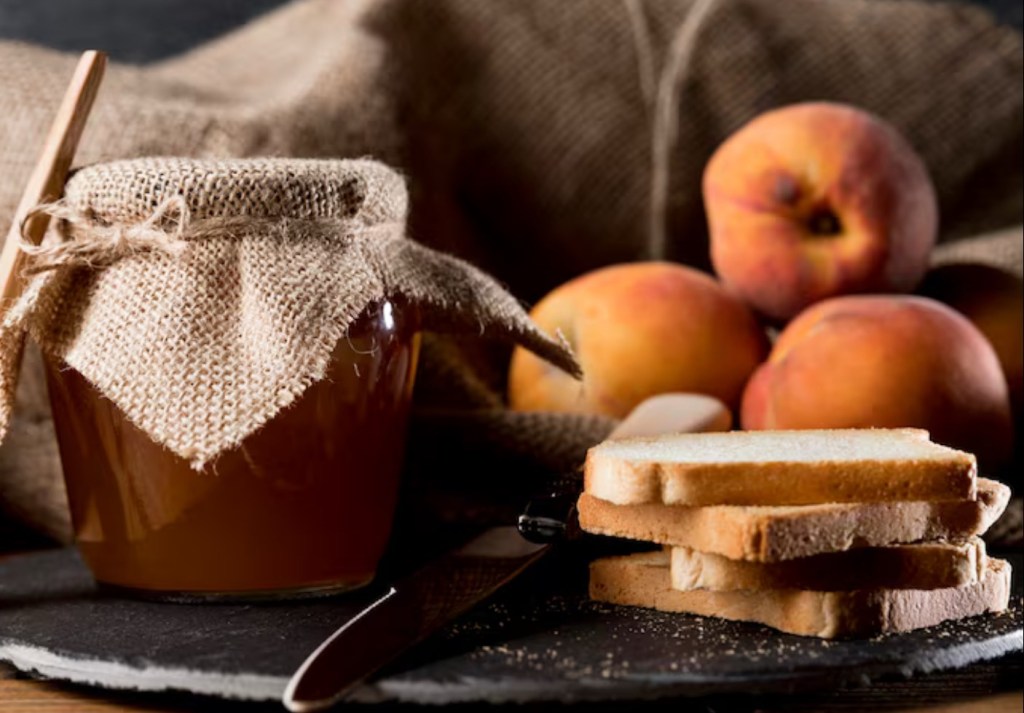
Peach Butter Recipe
Ingredients:
4 pounds ripe peaches
1½ cups sugar
1 teaspoon cinnamon (optional)
1 teaspoon vanilla extract
Juice of 1 lemon
Instructions:
Prepare the Peaches: Peel, pit, and slice peaches.
Cook the Fruit: Combine peaches and lemon juice in a large pot. Cook on medium heat until soft, about 15–20 minutes.
Puree: Blend until smooth using an immersion blender or regular blender.
Add Sugar & Spices: Stir in sugar, cinnamon (if using), and vanilla.
Simmer: Cook on low heat, stirring occasionally, for 1–2 hours until thickened.
Store: Transfer to sterilized jars and refrigerate or freeze.
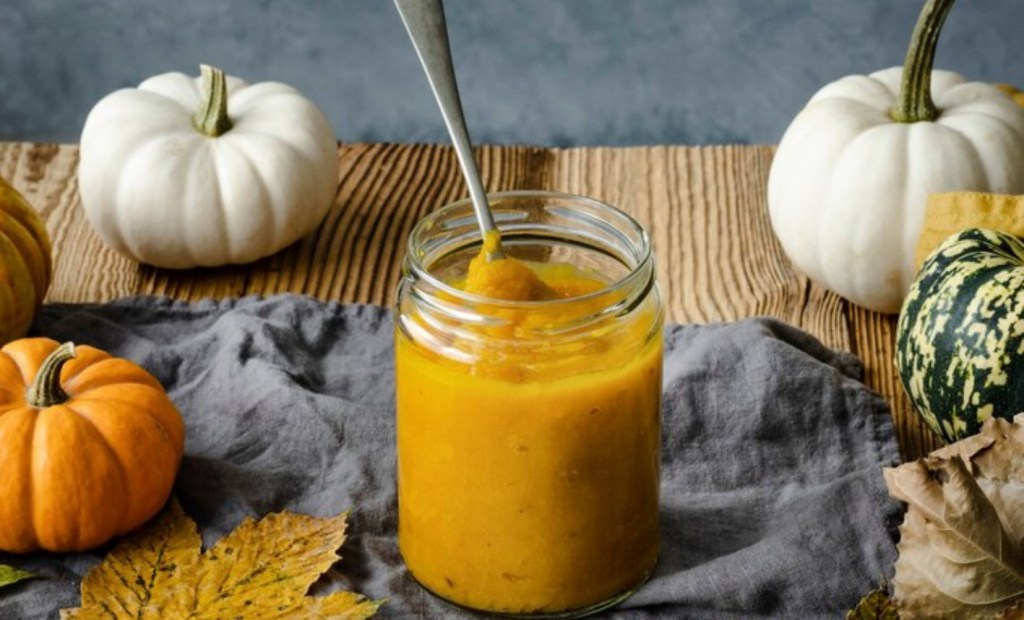
Pumpkin Butter Recipe
Ingredients:
2 cups pumpkin puree (fresh or canned)
½ cup apple cider or apple juice
¾ cup brown sugar
1 teaspoon cinnamon
½ teaspoon ginger
½ teaspoon nutmeg
¼ teaspoon cloves
Pinch of salt
Instructions:
Combine Ingredients: In a saucepan, mix pumpkin puree, apple cider, sugar, and spices.
Cook: Bring to a simmer over medium heat, then reduce to low.
Simmer: Stir frequently and cook for 20–30 minutes until thick and smooth.
Cool & Store: Let cool before transferring to jars. Refrigerate for up to 2 weeks or freeze for longer storage.
 Not Your Grams Kitchen