

Vienna, Austria, is often described as the heart of Europe’s café culture. Beyond its elegant architecture and classical music heritage, the city is equally celebrated for its coffeehouse tradition—a UNESCO-recognized cultural treasure. At the center of this experience is not just the coffee itself, but the array of decadent desserts that accompany it. From towering cakes layered with chocolate and cream to delicate pastries rooted in centuries-old recipes, Vienna’s café desserts are more than indulgences—they are living pieces of culinary history.
A Legacy of Coffeehouse Culture
The Viennese café tradition dates back to the 17th century, when the city first embraced coffee after the Ottoman siege. Over time, these establishments became gathering places for artists, writers, and intellectuals. Today, stepping into a Viennese café is like walking into a time capsule where marble tables, chandeliers, and polished wooden interiors set the stage for leisurely afternoons filled with conversation, reading, and of course, dessert.
Signature Desserts of Vienna’s Cafés
Sachertorte
Perhaps the most famous of all Viennese desserts, the Sachertorte was created in 1832 by Franz Sacher for Prince Metternich. This rich chocolate cake, filled with a thin layer of apricot jam and covered in glossy dark chocolate icing, is traditionally served with unsweetened whipped cream. Café Sacher and Demel are the two legendary institutions most closely associated with this iconic dessert, each claiming their version as the authentic one.
Apfelstrudel (Apple Strudel)
Another star of the Viennese dessert table, Apfelstrudel combines Austria’s love for pastry with the comfort of spiced apples. Paper-thin layers of dough envelop a filling of tart apples, raisins, cinnamon, and breadcrumbs, often dusted with powdered sugar and served warm with vanilla sauce or ice cream. Its origins reach back to the Austro-Hungarian Empire, and it remains a staple in cafés across the city.
Esterházy Torte
This elegant layered cake pays tribute to the Hungarian statesman Prince Paul III Esterházy. It consists of alternating layers of almond or hazelnut meringue filled with a rich buttercream flavored with cognac or vanilla, topped with a signature glazed pattern. The dessert exemplifies the refinement of Central European pastry craftsmanship.
Topfentorte
Lighter than many of its counterparts, Topfentorte is a cheesecake made with Topfen (quark cheese). Its smooth, slightly tangy filling and tender crust make it a refreshing choice for those seeking something less heavy but equally traditional.
Kardinalschnitten
This lesser-known gem layers airy meringue and sponge cake with a rich coffee cream, creating a balance of sweetness and lightness. It reflects the Viennese tradition of combining artistry with indulgence in pastry design.
More Than Dessert: A Ritual
In Vienna, dessert is never rushed. A visit to a café is an unhurried ritual, where locals and visitors alike linger over their chosen treat alongside a Melange (a Viennese-style coffee with milk, similar to a cappuccino). The desserts are not just food—they are cultural symbols that link the past with the present, embodying centuries of tradition while continuing to inspire modern pastry chefs.
Vienna’s café desserts represent more than just sweet indulgence—they are a testament to the city’s history, artistry, and way of life. Whether savoring a slice of Sachertorte in an elegant café or enjoying warm Apfelstrudel by the Danube, one quickly realizes that in Vienna, dessert is not simply eaten—it is experienced.

Classic Apfelstrudel (Austrian Apple Strudel)
A Little History
Apfelstrudel is one of Austria’s most beloved desserts, with roots that trace back to the Austro-Hungarian Empire. Inspired by Ottoman pastries like baklava, it was adapted in Vienna in the 17th century using local ingredients such as apples, raisins, and nuts. Over time, the Viennese perfected the art of stretching the dough paper-thin, creating the elegant pastry we know today. Traditionally served in cafés with coffee or Wiener Melange, Apfelstrudel remains a sweet symbol of Viennese culture.
Ingredients
For the Strudel Dough
2 cups (250 g) all-purpose flour
1/2 teaspoon salt
3 tablespoons neutral oil (sunflower or canola)
2/3 cup (160 ml) lukewarm water
For the Filling
6 medium tart apples (Granny Smith or Boskoop), peeled, cored, thinly sliced
1/2 cup (100 g) granulated sugar
1 teaspoon ground cinnamon
1/2 cup (75 g) raisins (optional, soaked in rum or warm water for 15 minutes)
1/2 cup (50 g) chopped walnuts or almonds (optional)
1/2 cup (50 g) breadcrumbs, toasted in 2 tablespoons butter
Zest of 1 lemon 1 tablespoon lemon juice
For Baking
3 tablespoons melted butter (for brushing dough)
Powdered sugar (for dusting)
Instructions
Make the Dough
In a large bowl, combine flour and salt. Add oil and lukewarm water, mixing until a smooth dough forms. Knead for 8–10 minutes until soft and elastic. Form into a ball, brush lightly with oil, cover, and let rest for at least 1 hour.
Prepare the Filling
In a large bowl, combine sliced apples, sugar, cinnamon, lemon juice, lemon zest, raisins, and nuts. Toast breadcrumbs in butter until golden and fragrant, then let cool.
Stretch the Dough
Cover a large table with a clean cloth and lightly flour it. Roll the dough as thin as possible, then carefully stretch it with the backs of your hands until it’s paper-thin (you should see the cloth pattern through it).
Assemble the Strudel
Brush the dough lightly with melted butter. Sprinkle breadcrumbs over two-thirds of the dough. Spread apple filling on top of breadcrumbs. Fold in the edges and roll up tightly with the help of the cloth. Place seam-side down on a buttered baking sheet.
Bake Preheat oven to 375°F (190°C). Brush strudel generously with melted butter. Bake 35–40 minutes, brushing with butter every 10–15 minutes until golden.
Serve Let cool slightly, dust with powdered sugar, and serve warm with vanilla sauce, whipped cream, or vanilla ice cream.

Esterházy Torte
A Little Background
The Esterházy Torte, named after Prince Paul III Esterházy of Hungary, is a refined layered cake originating from the Austro-Hungarian Empire. Traditionally, it’s made with delicate nut meringue layers and a rich cognac-flavored buttercream, topped with a signature white glaze and chocolate feathering. This Americanized version uses more approachable ingredients, simplified steps, and pantry staples—without losing the decadent flavor that makes it so beloved.
Ingredients
Cake Layers
2 cups finely ground walnuts or pecans (instead of hazelnuts, which are harder to find)
1 1/4 cups granulated sugar
8 large egg whites
1 teaspoon vanilla extract
Pinch of salt
Buttercream Filling
1 cup (2 sticks) unsalted butter, softened
2 cups powdered sugar
1/2 cup whole milk
3 tablespoons cocoa powder (for chocolate flavor instead of alcohol)
1 teaspoon vanilla extract
Glaze & Decoration
1 1/2 cups powdered sugar
3–4 tablespoons milk (enough for a thick but spreadable glaze)
1/2 cup semi-sweet chocolate chips, melted
Instructions
Make the Nut Layers
Preheat oven to 325°F (160°C). Line and lightly grease 3 round cake pans (8 or 9-inch). Beat egg whites with a pinch of salt until soft peaks form. Gradually add granulated sugar and beat until glossy stiff peaks form. Fold in ground walnuts/pecans and vanilla extract gently. Divide mixture evenly among the pans and bake for 20–25 minutes until lightly golden. Cool completely.
Prepare the Buttercream
Beat softened butter until creamy. Add powdered sugar gradually, then mix in cocoa powder. Add milk and vanilla extract, beating until smooth and fluffy.
Assemble the Cake
Place one nut layer on a serving plate, spread with buttercream. Repeat with the remaining layers, finishing with buttercream on top and sides. Chill in the fridge for 30 minutes to set.
Glaze and Decorate
Mix powdered sugar with milk to form a thick white glaze. Spread evenly over the top of the cake. Pipe thin rings of melted chocolate on the glaze, then drag a toothpick through them from center outward to create the classic feathered pattern.
Chill & Serve
Refrigerate at least 2 hours before slicing. Serve in thin slices with coffee or tea—rich, sweet, and nutty!
✨ This version swaps hazelnuts for pecans/walnuts, cognac for cocoa, and simplifies the meringue-baking process into fewer, sturdier layers—while still delivering the traditional look and indulgence of Esterházy Torte.
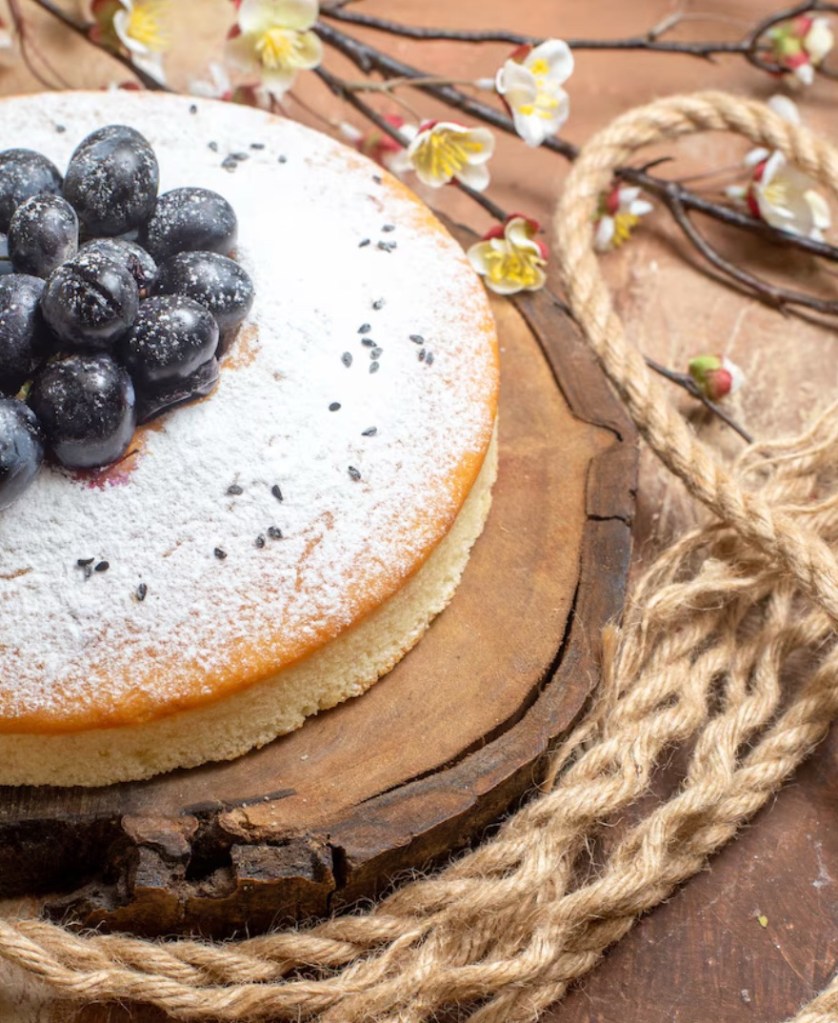
Topfentorte (Austrian Cheesecake)
A Little Background
Topfentorte is a beloved Austrian cheesecake made with Topfen (a fresh, tangy curd cheese). It’s lighter and less sweet than American cheesecake, with a subtle citrus note. Since Topfen is hard to find outside of Central Europe, this Americanized version uses ricotta and cream cheese to replicate its unique texture and flavor—keeping the cake light, creamy, and refreshingly not too sweet.
Ingredients
Crust (optional, more American-style)
1 1/2 cups graham cracker crumbs
1/4 cup granulated sugar
6 tablespoons unsalted butter, melted
Filling
12 oz ricotta cheese (drained if watery)
8 oz cream cheese, softened
3/4 cup granulated sugar
3 large eggs
1 teaspoon vanilla extract
Zest of 1 lemon
2 tablespoons lemon juice
2 tablespoons all-purpose flour
1/2 cup sour cream (for creaminess)
Topping (optional, for a café-style finish)
Powdered sugar, for dusting
Fresh berries or whipped cream
Instructions
Prepare the Crust (optional)
Preheat oven to 325°F (160°C). Mix graham cracker crumbs, sugar, and melted butter. Press firmly into the bottom of a 9-inch springform pan. Bake for 8 minutes, then cool slightly.
Make the Filling
In a large mixing bowl, beat ricotta and cream cheese until smooth. Add sugar, then mix in eggs one at a time. Stir in vanilla, lemon zest, lemon juice, flour, and sour cream until fully combined.
Bake
Pour filling into prepared crust (or directly into a buttered pan if skipping crust for a more traditional Austrian style). Bake for 45–55 minutes, until the center is just set but still slightly wobbly. Turn off oven, crack the door, and let the cake cool slowly to prevent cracks.
Chill & Serve
Refrigerate at least 4 hours (best overnight). Dust with powdered sugar before serving.
Slice and serve plain (as in Vienna) or American-style with fresh berries or whipped cream.
✨ This Americanized version keeps the spirit of Topfentorte: light, tangy, and elegant, but uses ricotta + cream cheese in place of quark, and gives the option of a graham cracker crust for that familiar U.S. cheesecake twist.
 Not Your Grams Kitchen