

When most people think of baking, ingredients like flour, sugar, butter, and eggs come to mind. But in recent years, carbonated drinks—yes, sodas—have bubbled up as a surprising and creative addition to baked goods. From enhancing texture to adding flavor, these fizzy beverages have carved out a niche in the world of baking. Let’s explore how and why carbonated drinks can be used in baking, and the science that makes them so effective.
Why Use Carbonated Drinks in Baking?
Carbonated drinks are more than just sweet, fizzy refreshments. In baking, they can serve several purposes:
Leavening Agent: Carbonated beverages contain dissolved carbon dioxide (CO₂), which helps create bubbles. When used in baking, these bubbles can act like baking powder or baking soda, helping batter rise and creating a lighter, fluffier texture. Flavor Enhancer: Colas, lemon-lime sodas, root beer, and fruit-flavored sodas can infuse baked goods with distinct flavors without the need for extracts or additional sweeteners. Moisture Booster: The liquid content in soda adds moisture, making cakes and cupcakes soft and tender, especially in recipes where eggs or fats are reduced or omitted. Egg or Fat Substitute: In vegan or low-fat baking, soda can be used to replace eggs or oils. For example, a can of cola can replace eggs and oil in a boxed cake mix, reducing calories while maintaining texture.
Popular Applications
1. Soda Cakes:
Perhaps the most well-known use is the “soda cake,” where a box of cake mix is combined with a can of soda. The carbonation activates the leavening agents in the mix, eliminating the need for eggs and oil. Common pairings include chocolate cake mix with cola, and white or yellow cake mix with lemon-lime soda.
2. Pancakes and Waffles:
Adding carbonated water or club soda to pancake or waffle batter results in an airy, fluffy texture. This is especially useful in gluten-free recipes, where achieving lightness can be challenging.
3. Muffins and Quick Breads:
A splash of soda or sparkling water can help muffins and quick breads rise without making them too dense, especially in recipes that use whole grains or less sugar.
4. Tempura and Batters:
While more common in frying, carbonated water is used in batters for baked savory items as well. It creates a light, crisp coating when baked or fried.
The Science Behind It
The secret lies in carbon dioxide. When carbonated beverages are mixed into batter, the trapped CO₂ creates tiny air bubbles. In the heat of the oven, these bubbles expand, making the final product rise. Additionally, sodas often contain acidic components (like phosphoric or citric acid) that can interact with baking soda to produce even more lift.
Also, the sugar content in soda contributes to browning and caramelization, giving baked goods a richer color and flavor.
Tips for Baking with Carbonated Drinks
Choose the Right Soda: Use flavored sodas to match or enhance the flavor of your recipe. For example, orange soda pairs well with vanilla or spice cakes, while cherry cola complements chocolate. Mind the Sugar: Since sodas are high in sugar, reduce the sugar content in your recipe to avoid overly sweet results. Use Fresh Soda: Flat soda won’t offer the same leavening effect. Always use freshly opened, carbonated drinks. Experiment Cautiously: While soda works well in many recipes, it’s not a one-size-fits-all substitute. Start with tried-and-true recipes before creating your own combinations.
Final Thoughts
Using carbonated drinks in baking is a fun and inventive way to experiment in the kitchen. Whether you’re seeking a vegan alternative, a lower-fat option, or just a new flavor profile, soda can bring a surprising twist to your baked goods. So the next time you’re prepping a cake or batch of muffins, consider reaching for a can of fizz—you might just find your new favorite secret ingredient.
Fun Recipe to Try: 2-Ingredient Soda Cake
1 box cake mix (any flavor) 1 can (12 oz) soda (match to cake flavor)
Instructions:
Mix together in a bowl (no eggs, no oil), pour into a greased cake pan, bake as directed on box. Cool, frost, and enjoy!

Here’s an updated version of the classic Coca-Cola Chocolate Cake — reimagined to balance nostalgic flavor with modern baking trends, such as enhanced texture, richer chocolate flavor, and a touch less sugar for today’s palate.
Modern Coca-Cola Chocolate Cake Recipe
⭐️ Moist, fudgy, and full of deep chocolate flavor with the unmistakable hint of cola magic.
Ingredients
For the Cake:
1¾ cups (220g) all-purpose flour
1 cup (200g) granulated sugar
½ cup (100g) packed brown sugar
¾ cup unsweetened cocoa powder (preferably Dutch-processed)
1½ tsp baking soda
½ tsp salt
1 cup Coca-Cola (not diet)
½ cup buttermilk (room temperature)
½ cup neutral oil (canola or vegetable)
2 large eggs
1 tsp vanilla extract
½ cup sour cream (for extra moisture and tenderness)
For the Coca-Cola Fudge Frosting:
½ cup (1 stick) unsalted butter
¼ cup Coca-Cola ¼ cup unsweetened cocoa powder
2 cups powdered sugar, sifted
1 tsp vanilla extract
Pinch of salt
Instructions
🧁 Make the Cake:
Preheat oven to 350°F (175°C). Grease and flour a 9×13-inch baking pan or two 9-inch round cake pans. Line bottoms with parchment if using round pans. Whisk dry ingredients in a large bowl: flour, sugar, brown sugar, cocoa powder, baking soda, and salt. In a separate bowl, whisk together Coca-Cola, buttermilk, oil, eggs, vanilla, and sour cream until smooth. Combine wet and dry: Pour wet ingredients into the dry ingredients and whisk until well combined. The batter will be slightly thin — that’s good! Bake for 30–35 minutes, or until a toothpick inserted in the center comes out with a few moist crumbs. Let cool in the pan for 10 minutes, then transfer to a wire rack to cool completely before frosting.
🍫 Make the Frosting:
In a saucepan over medium heat, melt butter, then whisk in Coca-Cola and cocoa powder. Bring to a simmer. Remove from heat and whisk in powdered sugar, vanilla, and salt until smooth. Let cool slightly — it should be pourable but thick. Pour over cooled cake and spread evenly with a spatula. For extra indulgence, top with chopped pecans or mini marshmallows while the frosting is still warm.
Modern Twists & Tips
Richer chocolate? Add ½ tsp espresso powder to the batter to deepen the cocoa flavor (you won’t taste the coffee). Gluten-free version? Use a 1:1 gluten-free baking flour blend — the moisture from the sour cream and cola will help keep it tender. Vegan option? Swap the eggs for ½ cup unsweetened applesauce and use plant-based buttermilk (almond milk + vinegar), sour cream, and vegan butter. Cupcake version? Bake at 350°F for 16–20 minutes. Makes about 24 cupcakes.
🍴 Serving Suggestion
Serve chilled or at room temperature with a scoop of vanilla bean ice cream. The contrast between the cold ice cream and rich, warm chocolate is heavenly.
This version keeps the soul of the original Coca-Cola cake but upgrades it with improved texture, deeper flavor, and flexible substitutions for modern bakers. Let me know if you’d like a printable version or to adapt this into a layer cake or bundt!

Here’s a fun and nostalgic Orange Dreamcicle Cake recipe using Orange Crush soda. It’s light, citrusy, and creamy — like the frozen treat you remember, but in cake form!
🍊 Orange Dreamcicle Cake (with Orange Crush)
Fluffy orange cake layered or topped with a creamy vanilla frosting — bright, sweet, and dreamy.
Ingredients
For the Cake:
1 box white cake mix (15.25 oz)
1 cup Orange Crush soda (not diet)
½ cup vegetable oil
4 large egg whites
1 tablespoon orange zest (from 1–2 oranges)
1 teaspoon vanilla extract
Optional: 1–2 drops orange food coloring for a vibrant hue
For the Creamy Vanilla Dream Frosting:
1 (8 oz) block cream cheese, softened
1 (8 oz) tub whipped topping (like Cool Whip), thawed
1 cup powdered sugar
1 teaspoon vanilla extract
Zest of 1 orange (optional, for extra zing)
Instructions
🍰 Make the Cake:
Preheat oven to 350°F (175°C). Grease and flour a 9×13-inch cake pan or two 9-inch round pans. Mix the batter: In a large bowl, combine cake mix, Orange Crush, oil, egg whites, orange zest, and vanilla extract. Beat on medium speed for 2 minutes until smooth and slightly fluffy. Add food coloring if desired, to enhance the orange color. Bake for 25–30 minutes, or until a toothpick inserted in the center comes out clean. Don’t overbake! Cool completely before frosting.
🍦 Make the Frosting:
In a medium bowl, beat softened cream cheese until smooth. Add powdered sugar and vanilla; mix until fluffy. Fold in whipped topping and orange zest until fully combined. Chill if frosting is too soft to spread.
🎂 Assemble & Serve:
Spread frosting evenly over the cooled cake. Optional: Top with mandarin orange segments, white chocolate curls, or a drizzle of orange glaze for flair. Chill for 30 minutes before slicing for the cleanest cuts.
✨ Tips & Variations:
Cupcakes: Bake for 16–18 minutes. Makes about 24 cupcakes. Dreamy Filling: For a layered cake, spread some orange marmalade between layers under the frosting. Stronger orange flavor? Add a few drops of orange extract to the cake mix.
🧁 Tastes Like:
A bite of summer sunshine — tangy orange meets creamy vanilla in a melt-in-your-mouth dessert.
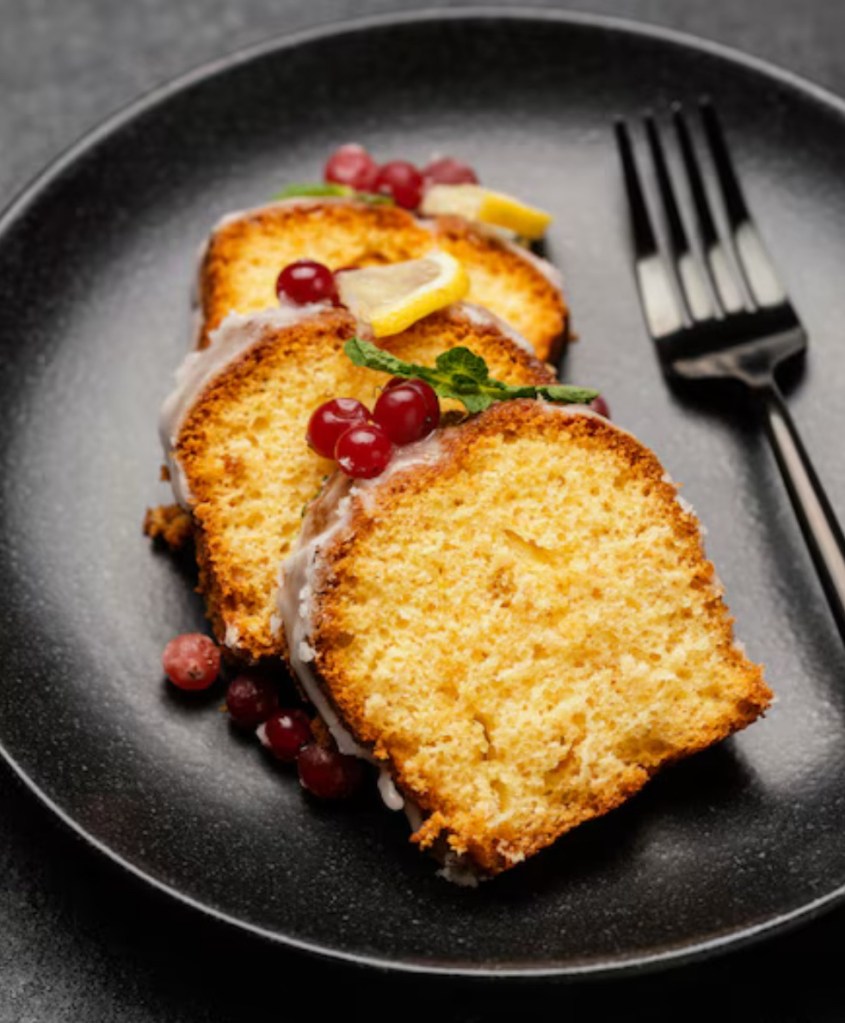
Here’s an updated version of the classic 7-Up Pound Cake — keeping the signature lemon-lime flair but improving texture, richness, and balance of sweetness. This version adds sour cream for extra moisture and a touch of citrus zest to brighten the flavor, making it modern, elegant, and still deeply nostalgic.
🍋 Updated 7-Up Pound Cake
Rich, buttery, and dense with a tender crumb and zesty lemon-lime glaze — made with real 7-Up soda for that classic Southern charm.
Ingredients
For the Cake:
3 sticks (1½ cups) unsalted butter, room temperature
2½ cups granulated sugar
5 large eggs, room temperature
3 cups all-purpose flour, sifted
½ cup sour cream
¾ cup 7-Up (not diet)
1 tbsp lemon zest
1 tbsp lime zest
1 tsp vanilla extract
½ tsp salt
For the Lemon-Lime Glaze:
1½ cups powdered sugar
2 tbsp 7-Up (plus more if needed)
1 tbsp fresh lemon or lime juice
Optional: zest from lemon or lime for garnish
Instructions
🧈 Make the Cake:
Preheat oven to 325°F (163°C). Grease and flour a 10–12 cup bundt pan very well or use baking spray with flour. Cream butter and sugar in a large bowl (stand or hand mixer) on medium speed until light and fluffy — about 4–5 minutes. Add eggs one at a time, beating well after each addition. In a separate bowl, whisk together flour and salt. Reduce mixer speed to low. Add dry ingredients in 3 parts, alternating with sour cream and 7-Up, beginning and ending with flour. Mix just until combined — don’t overmix. Add vanilla extract, lemon zest, and lime zest. Stir gently to incorporate. Pour batter into prepared pan, smooth top, and tap to release air bubbles. Bake for 70–80 minutes, or until a toothpick inserted comes out clean or with just a few moist crumbs. Cool in the pan for 15–20 minutes, then invert onto a wire rack to cool completely.
🍋 Make the Glaze:
Whisk together powdered sugar, 7-Up, and citrus juice until smooth and pourable. Once the cake is completely cool, drizzle glaze generously over the top. Garnish with extra zest or thin lemon/lime slices if desired.
✨ Modern Touches & Tips:
Sour cream adds moisture and tang, balancing the cake’s sweetness. Zest + real juice brightens the soda flavor without overpowering it. Want a more citrus-forward punch? Add a few drops of lemon extract or a spoonful of lemon curd to the glaze. Freezes well! Slice and wrap individual pieces to freeze for up to 2 months.
🧁 What Makes It Special?
This updated version keeps everything we love about the original — buttery richness and that subtle 7-Up sparkle — but with improved structure, brighter flavor, and a more delicate crumb. It’s a showstopper for Sunday dinners, brunch tables, and family celebrations.
 Not Your Grams Kitchen