

Rice pudding, a comforting dessert enjoyed around the globe, is more than just a simple mix of rice, milk, and sugar. It carries centuries of history, traveling through ancient civilizations and adapting to countless cultures along the way. With its creamy texture and versatile flavorings, rice pudding remains a nostalgic staple, loved in both humble home kitchens and high-end restaurants.
Ancient Roots
The origins of rice pudding can be traced back thousands of years to Asia, where rice was first cultivated. In India, one of the earliest documented versions of the dish appears in ancient Ayurvedic texts. Known as kheer, this early rice pudding was made with rice, milk, and sugar or jaggery, often flavored with cardamom, saffron, and nuts. It was considered not only delicious but also medicinal.
As trade routes expanded, so did the popularity of rice-based dishes. The Persians and Arabs adopted and transformed rice pudding, bringing it to the Middle East and North Africa. By the time of the Islamic Golden Age, variations of rice pudding were found throughout the Arab world, often infused with rose water, cinnamon, or orange blossom.
European Influence
Rice pudding made its way into Europe during the Middle Ages, primarily via Moorish Spain and through trade with the East. Initially considered a luxury dish—since both rice and sugar were expensive imports—it was served to the wealthy as a status symbol. In England, rice pudding was even served as a savory dish during the Tudor period, sometimes including meat and spices.
By the 18th century, as rice and sugar became more accessible, sweet versions of rice pudding became increasingly popular across Europe. In Britain, the traditional baked rice pudding emerged, thick and golden on top with a soft custard underneath. Meanwhile, in Scandinavian countries like Sweden and Denmark, rice pudding became a beloved Christmas tradition, often served with a hidden almond for good luck.
Global Variations
Today, rice pudding exists in many delightful forms around the world, each with its own twist:
India: Kheer, usually cooked with basmati rice and flavored with cardamom, raisins, and almonds. Spain and Latin America: Arroz con leche, often including cinnamon and citrus zest. Middle East: Roz bel laban in Egypt or sholeh zard (a saffron-infused version) in Iran. Turkey: Sütlaç, typically baked in the oven for a caramelized top. Philippines: Champorado, a chocolate-infused rice pudding made with sticky rice.
A Comfort Food Classic
Despite its many cultural interpretations, rice pudding has a unifying essence—it’s a dish of warmth, nostalgia, and simplicity. It can be dressed up with exotic spices and toppings or served plain for a humble, cozy treat. Whether served hot or cold, rice pudding continues to transcend generations and borders, remaining one of the most enduring and beloved desserts in culinary history.
In a world of ever-changing food trends, rice pudding endures, reminding us that sometimes, the simplest dishes are the ones that stay with us the longest.
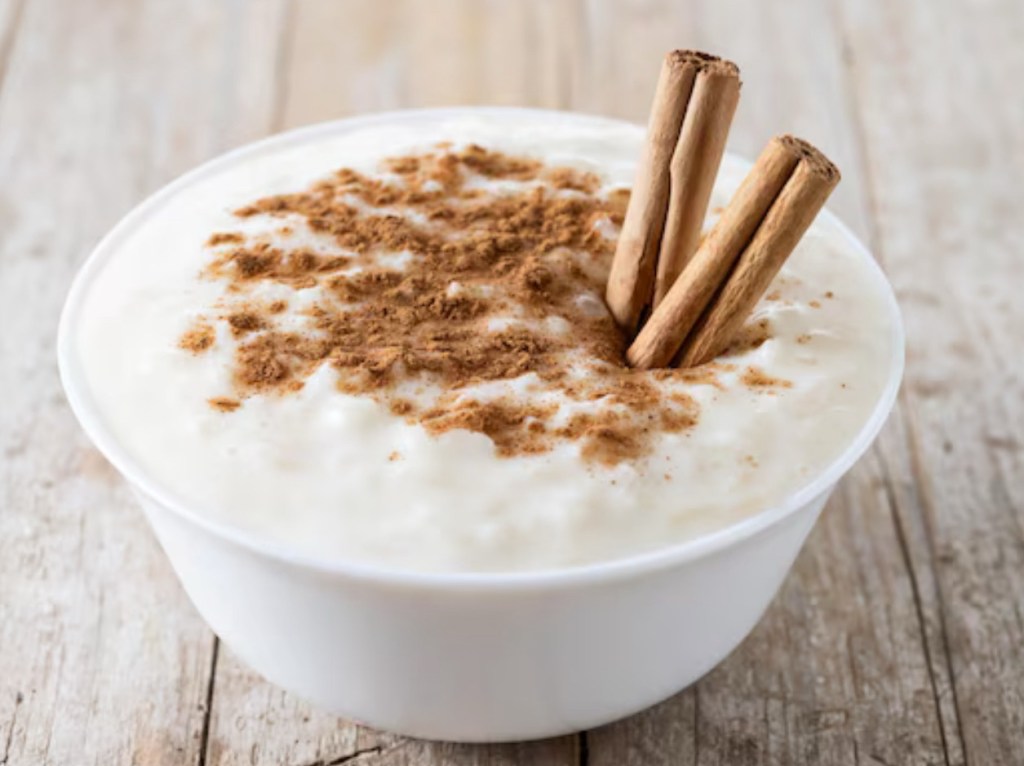
Classic Rice Pudding Recipe
Ingredients:
1/2 cup white rice (short or medium grain is best)
4 cups whole milk
1/2 cup granulated sugar
1/4 teaspoon salt
1 teaspoon vanilla extract
1/2 teaspoon ground cinnamon (optional)
1/4 teaspoon ground nutmeg (optional)
1/2 cup raisins (optional)
Butter (for greasing the pot, optional)
Instructions:
Rinse the rice under cold water until the water runs clear to remove excess starch. In a large, heavy-bottomed saucepan, combine the milk, sugar, and salt. Bring to a gentle simmer over medium heat, stirring occasionally so the milk doesn’t scorch. Stir in the rice, reduce heat to low, and simmer uncovered for 45–50 minutes. Stir frequently to prevent sticking. The mixture should gradually thicken into a creamy consistency. Add vanilla extract, and if using, stir in cinnamon, nutmeg, and raisins during the last 10 minutes of cooking. Remove from heat and let it rest for 5–10 minutes. It will continue to thicken as it cools. Serve warm or chilled, topped with a dash of cinnamon or a pat of butter if desired.
Tips:
For extra creaminess, you can substitute 1 cup of the milk with heavy cream. To make it eggy and custard-like, whisk in 1 beaten egg during the last few minutes of cooking (temper with a bit of hot pudding first to avoid scrambling). Store leftovers in the fridge for up to 4 days.
Absolutely! Here’s a gourmet rice pudding recipe that elevates the classic dessert with rich textures, aromatic spices, and elegant toppings—perfect for a dinner party or special occasion.
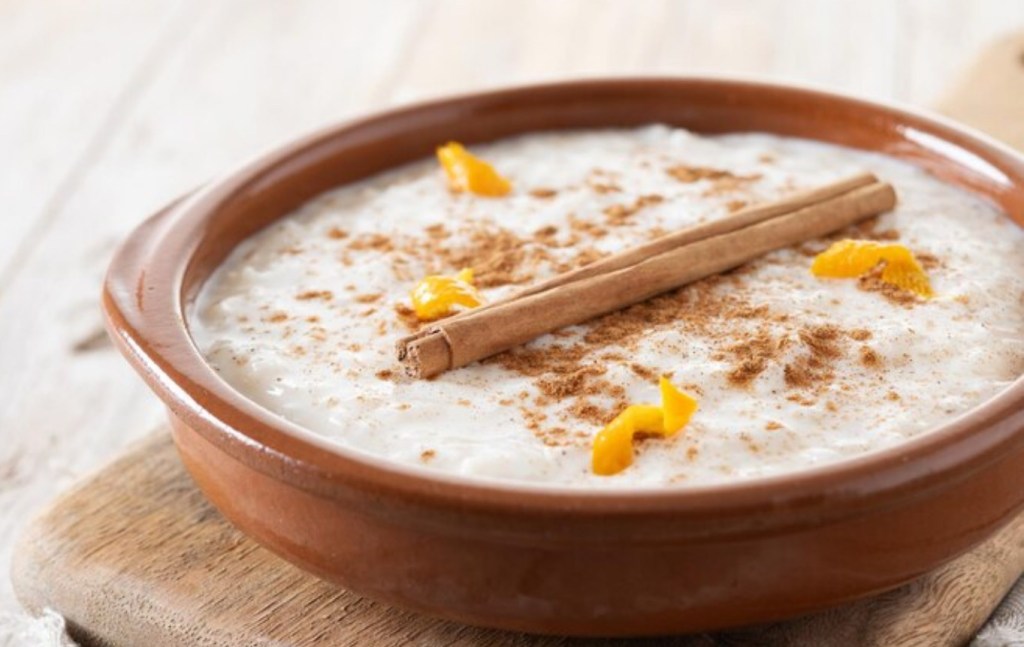
Gourmet Vanilla Bean Rice Pudding with Caramelized Figs and Toasted Pistachios
Serves: 4–6
Prep Time: 15 minutes
Cook Time: 50 minutes
Ingredients:
For the Rice Pudding:
1/2 cup Arborio rice (for extra creaminess)
4 cups whole milk
1/2 cup heavy cream
1/2 cup granulated sugar
1 vanilla bean, split and scraped (or 2 tsp vanilla bean paste)
Pinch of sea salt
Zest of 1 lemon (optional, for brightness)
For the Toppings:
6–8 fresh figs, halved
2 tbsp butter
2 tbsp brown sugar
1/4 tsp ground cardamom or cinnamon
1/4 cup shelled pistachios, toasted and roughly chopped Edible flowers or mint leaves (optional, for garnish)
Instructions:
Make the Pudding:
In a heavy-bottomed saucepan, combine the milk, cream, sugar, vanilla bean (both seeds and pod), salt, and lemon zest if using. Bring to a gentle simmer over medium heat. Stir in the Arborio rice, reduce the heat to low, and cook uncovered, stirring often, for 40–50 minutes. The rice should be tender and the mixture luxuriously creamy. Remove the vanilla pod before serving. Once cooked, let the pudding rest for 5 minutes. It will thicken slightly as it cools.
Caramelize the Figs:
In a skillet, melt the butter over medium heat. Add the brown sugar and cardamom, and stir to combine. Place the fig halves cut side down into the pan and cook for about 3–5 minutes, until caramelized and golden. Remove from heat.
Assemble the Dish:
Spoon the warm rice pudding into individual serving bowls or glasses. Top with a few caramelized fig halves, a sprinkle of toasted pistachios, and optional edible flowers or mint leaves for a refined finish.
Chef’s Notes:
Want a bolder flavor? Infuse the milk with a cinnamon stick or a splash of orange blossom water. Don’t have fresh figs? Try roasted pears, poached apricots, or a dollop of berry compote instead. Serve with a glass of dessert wine or a spiced chai for the full gourmet experience.
 Not Your Grams Kitchen