

Elderberry (Sambucus nigra) has long been regarded as a potent natural remedy, with a history of use dating back centuries. Found in Europe, North America, and parts of Asia, this deep purple fruit has been widely used in traditional medicine to treat various ailments, particularly for immune support and respiratory health. In recent years, scientific research has backed many of its purported benefits, making elderberry a popular supplement in modern wellness routines.
Nutritional Profile of Elderberry
Elderberries are packed with essential nutrients and bioactive compounds, including:
• Vitamins and Minerals: Elderberries are rich in vitamin C, vitamin A, potassium, iron, and folate, which are crucial for overall health and immune function.
• Antioxidants: High levels of flavonoids, particularly anthocyanins, contribute to elderberry’s strong antioxidant properties, helping combat oxidative stress and inflammation.
• Fiber: The fruit provides dietary fiber, which supports digestion and gut health.
Top Health Benefits of Elderberry
1. Boosts the Immune System
One of the most well-known benefits of elderberry is its ability to strengthen the immune system. It has antiviral properties that may help the body fight off colds, flu, and other infections. Studies have suggested that elderberry extract can reduce the severity and duration of flu symptoms when taken early.
2. Supports Respiratory Health
Elderberry is traditionally used to relieve symptoms of respiratory infections, such as congestion, coughs, and sore throats. Its anti-inflammatory and antioxidant compounds help reduce swelling in the respiratory tract and enhance lung function.
3. High in Antioxidants and Anti-Inflammatory Compounds
Elderberries contain anthocyanins, powerful antioxidants that protect cells from oxidative damage. These compounds may help reduce chronic inflammation, which is linked to conditions such as heart disease, diabetes, and arthritis.
4. Promotes Heart Health
Elderberry may contribute to heart health by supporting healthy blood pressure and cholesterol levels. Research indicates that the fruit’s high flavonoid content can help improve circulation and reduce the risk of cardiovascular diseases.
5. May Aid in Blood Sugar Regulation
Preliminary studies suggest that elderberry could help regulate blood sugar levels by improving insulin sensitivity. This benefit may be particularly useful for individuals at risk of type 2 diabetes.
6. Supports Skin Health
Thanks to its high antioxidant content, elderberry may help promote healthy, youthful skin. The fruit’s anti-inflammatory properties can help reduce acne and skin irritation, while vitamin C supports collagen production.
How to Use Elderberry
Elderberry is available in various forms, including:
• Syrups: A popular option for immune support, elderberry syrup is often taken as a supplement during cold and flu season.
• Teas: Elderberry tea can provide a soothing and warming beverage with immune-boosting benefits.
• Capsules and Gummies: These provide a convenient way to incorporate elderberry into daily wellness routines.
• Dried Berries and Powders: Used in cooking or herbal preparations, dried elderberries can be added to smoothies, jams, or baked goods.
Safety and Precautions
While elderberry is generally safe for most people, there are a few considerations to keep in mind:
• Avoid Raw Elderberries: Unripe or raw elderberries contain cyanogenic glycosides, which can be toxic. Always cook elderberries before consuming them.
• Allergic Reactions: Some individuals may experience allergic reactions; discontinue use if any adverse effects occur.
• Interaction with Medications: Elderberry may interact with immune-suppressing medications and diuretics. Consult a healthcare provider before using elderberry if you have underlying health conditions or are taking medications.
Elderberry is a powerhouse superfruit with a wide range of health benefits, from immune support to heart health and skin nourishment. Whether taken as a syrup, tea, or supplement, elderberry offers a natural way to enhance wellness. However, as with any supplement, it is essential to use it safely and consult a healthcare professional if you have concerns about its use.
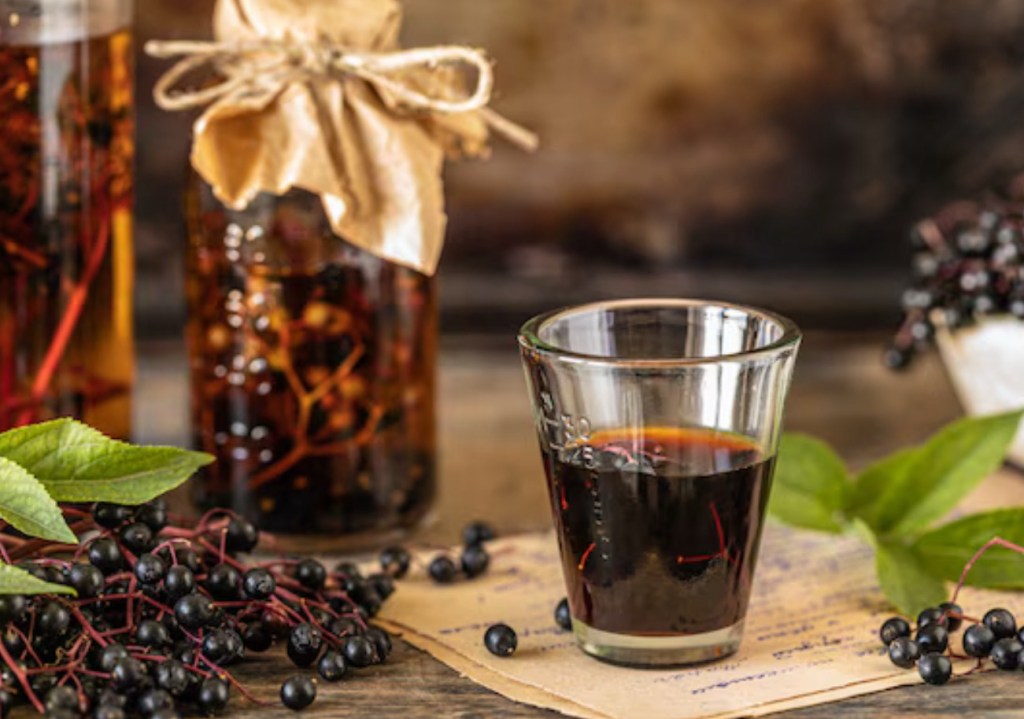
Traditional Elderberry Syrup Recipe
Elderberry syrup is a time-honored remedy known for its immune-boosting properties. This simple homemade recipe combines elderberries with natural ingredients like honey and spices to create a flavorful and effective syrup.
Ingredients:
• 1 cup dried elderberries (or 2 cups fresh elderberries)
• 4 cups water
• 1 cinnamon stick (or 1 teaspoon ground cinnamon)
• 3-4 whole cloves (or ½ teaspoon ground cloves)
• 1 teaspoon fresh or dried ginger (grated or sliced)
• ¾ to 1 cup raw honey (adjust to taste)
• 1 teaspoon lemon juice (optional, for extra flavor and preservation)
Instructions:
1. Prepare the Elderberries
If using fresh elderberries, rinse them thoroughly and remove any stems, as they can be toxic. If using dried elderberries, no rinsing is necessary.
2. Simmer the Ingredients
In a medium saucepan, combine the elderberries, water, cinnamon, cloves, and ginger. Bring to a gentle boil, then reduce the heat and let it simmer uncovered for about 30-45 minutes until the liquid is reduced by nearly half.
3. Strain the Mixture
Remove the saucepan from heat and allow the mixture to cool slightly. Strain the syrup through a fine-mesh sieve or cheesecloth into a clean bowl or jar, pressing down on the berries with a spoon to extract as much liquid as possible. Discard the solids.
4. Add Honey
Once the liquid has cooled to warm (not hot) temperature, stir in the raw honey. Mixing the honey while the syrup is too hot can destroy its beneficial enzymes. Adjust the sweetness to your preference.
5. Bottle and Store
Pour the elderberry syrup into a clean glass jar or bottle. Store in the refrigerator for up to 2-3 months. Shake before use.
Dosage Recommendations:
• Adults: 1 tablespoon daily for immune support; during illness, take up to 3 times daily.
• Children (over 1 year old): 1 teaspoon daily; during illness, take up to 3 times daily.
(Note: Do not give honey to children under 1 year old. Use maple syrup or another sweetener as an alternative.)
Tips & Variations:
• Add lemon peel or orange zest for a citrusy twist.
• Use apple cider vinegar for a slightly tangy, probiotic-rich version.
• Blend in echinacea or rosehips for extra immune-boosting benefits.
This elderberry syrup is a delicious and effective way to support your health naturally. Would you like any modifications or additional serving ideas?
 Not Your Grams Kitchen