

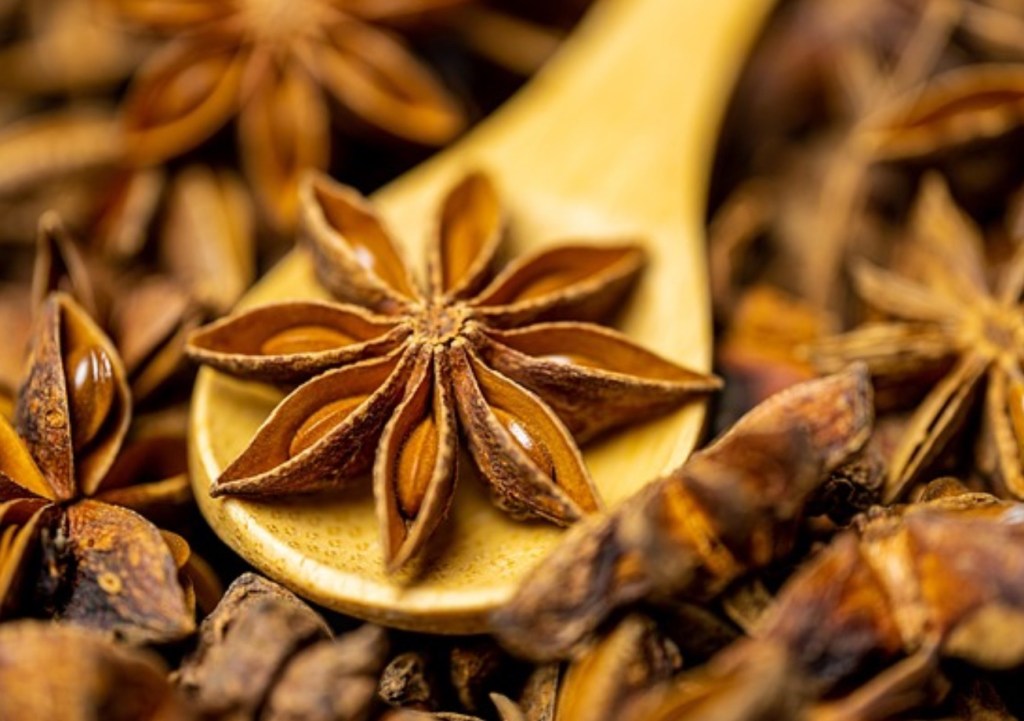
Anisette, a sweet and aromatic liqueur derived from anise seeds, has captivated palates for centuries. Its distinct licorice-like flavor, smooth texture, and versatility make it a cherished ingredient in many cultures. From its origins in the Mediterranean to its modern-day applications in cocktails, cooking, and even medicinal remedies, anisette remains a beloved staple for those who appreciate its unique charm.
The Allure of Anisette
The primary appeal of anisette comes from its pronounced anise flavor, which is derived from the essential oils of anise seeds. This botanical, known for its sweet and mildly spicy taste, has been used since ancient times for both culinary and medicinal purposes. Unlike some other anise-flavored spirits, such as absinthe or pastis, anisette is generally lower in alcohol content and sweeter, making it more accessible to a wider audience.
The liqueur’s popularity extends beyond its taste—its history and cultural significance also contribute to its allure. Countries such as France, Italy, and Spain have long traditions of producing and enjoying anisette in various forms, whether as a post-meal digestif, a cocktail ingredient, or a sweet addition to desserts.
Uses of Anisette
1. In Cocktails
Anisette’s sweet, aromatic profile makes it a versatile choice for mixologists. It can be enjoyed neat, over ice, or as a key ingredient in various cocktails. Some popular ways to use anisette in drinks include:
• Café Royale: A classic combination of coffee, anisette, and a touch of whipped cream for a decadent after-dinner drink.
• Anisette Sour: A twist on the traditional sour cocktail, mixing anisette with lemon juice and simple syrup for a refreshing balance of sweetness and acidity.
• Anisette Spritz: A light and effervescent mix of anisette, sparkling water, and citrus, perfect for summer sipping.
In many Mediterranean countries, anisette is often diluted with cold water, which causes it to turn a milky white—a phenomenon known as the “ouzo effect” due to the precipitation of anise oils.
2. In Cooking and Baking
Anisette’s distinctive flavor lends itself well to both sweet and savory dishes. In baking, it is frequently used to enhance cookies, cakes, and pastries. Some popular examples include:
• Italian Anisette Cookies: Soft, lightly sweet cookies with a delicate anise flavor, often topped with a simple glaze.
• French Madeleines: These classic shell-shaped cakes sometimes include a splash of anisette for a subtle aromatic twist.
• Flambéed Fruits: Anisette can be used to flambé fruits like pears or peaches, creating a rich and flavorful dessert topping.
In savory cooking, anisette can add depth to sauces, marinades, and even seafood dishes, complementing ingredients like fennel, citrus, and seafood.
3. As a Digestif and Medicinal Remedy
Anisette has long been valued for its digestive properties. Many cultures consume it after meals to aid digestion and reduce bloating. Anise, the primary ingredient in anisette, contains compounds that help relax the digestive tract and alleviate indigestion.
Additionally, anise has been used in traditional medicine for its potential benefits in soothing coughs, relieving nausea, and even acting as a mild sedative. While anisette itself is not a medical remedy, its historical use as a soothing elixir is well documented.
Anisette’s unique combination of sweetness, aroma, and versatility makes it a standout liqueur with a wide range of applications. Whether enjoyed in cocktails, used in cooking, or sipped as a digestif, its timeless appeal continues to captivate those who appreciate the distinctive taste of anise. Whether you’re a seasoned anisette enthusiast or new to its charms, this classic liqueur offers an experience that is both nostalgic and refreshing.

Café Royale Recipe
Café Royale is a luxurious and aromatic coffee drink infused with the sweet licorice notes of anisette. This after-dinner treat is simple to prepare yet impressively flavorful, making it a perfect choice for coffee lovers who enjoy a touch of sweetness and warmth.
Ingredients
• 6 oz (180 ml) hot brewed coffee (strong, dark roast preferred)
• 1 oz (30 ml) anisette liqueur
• 1 tsp sugar (optional, to taste)
• Whipped cream (for garnish)
• A sprinkle of ground cinnamon or cocoa powder (optional)
Instructions
1. Brew the Coffee: Prepare a strong cup of hot coffee using your preferred method (espresso, French press, or drip coffee).
2. Add Anisette: Pour the anisette liqueur into a coffee mug or heatproof glass.
3. Sweeten (Optional): Stir in sugar if desired, depending on how sweet you like your coffee.
4. Combine: Pour the hot coffee over the anisette and mix well.
5. Top with Whipped Cream: Spoon a generous dollop of whipped cream on top for a rich, creamy finish.
6. Garnish: Lightly dust with ground cinnamon or cocoa powder for extra flavor and visual appeal.
7. Serve and Enjoy: Stir gently if desired and savor your aromatic Café Royale!
Tips:
• For an extra indulgent twist, drizzle caramel or chocolate syrup over the whipped cream.
• Use freshly brewed espresso for a bolder, more concentrated flavor.
• Serve in a pre-warmed glass or mug to keep the drink hot for longer.
Enjoy this elegant and flavorful drink as a perfect after-dinner treat or a cozy nightcap!

Classic Italian Anisette Cookies
Italian anisette cookies are soft, lightly sweet, and infused with the distinct flavor of anise. These traditional cookies are often enjoyed during holidays, family gatherings, and celebrations. Topped with a simple glaze and sprinkles, they are a delightful treat with coffee or espresso.
Ingredients
For the Cookies:
• 3 cups (375g) all-purpose flour
• 1 tbsp baking powder
• ½ tsp salt
• ½ cup (113g) unsalted butter, softened
• ¾ cup (150g) granulated sugar
• 3 large eggs
• 1½ tsp anise extract (or 1 tsp anisette liqueur)
• 1 tsp vanilla extract
• ¼ cup (60ml) milk
For the Glaze:
• 1 cup (120g) powdered sugar
• 2 tbsp milk
• ½ tsp anise extract (or anisette liqueur)
• Sprinkles (optional, for decoration)
Instructions
1. Prepare the Dough
1. In a medium bowl, whisk together the flour, baking powder, and salt. Set aside.
2. In a large mixing bowl, cream the butter and sugar together until light and fluffy.
3. Add the eggs one at a time, beating well after each addition.
4. Mix in the anise extract and vanilla extract.
5. Gradually add the flour mixture, alternating with the milk, and mix until a soft dough forms.
2. Shape and Bake the Cookies
1. Preheat your oven to 350°F (175°C). Line a baking sheet with parchment paper.
2. Using a teaspoon or small cookie scoop, roll the dough into 1-inch balls and place them on the baking sheet about 2 inches apart.
3. Bake for 10–12 minutes, or until the bottoms are lightly golden (the tops should remain pale).
4. Remove from the oven and let the cookies cool on a wire rack.
3. Make the Glaze
1. In a small bowl, whisk together the powdered sugar, milk, and anise extract until smooth.
2. Dip the tops of the cooled cookies into the glaze, allowing any excess to drip off.
3. Immediately sprinkle with nonpareils or colored sprinkles if desired.
4. Let Set and Serve
1. Place the glazed cookies on a wire rack and allow the glaze to set for about 30 minutes.
2. Enjoy with coffee, espresso, or a glass of anisette liqueur!
Storage Tips:
• Store cookies in an airtight container at room temperature for up to 5 days.
• For longer storage, freeze unglazed cookies and glaze them after thawing.
These classic Italian anisette cookies are a nostalgic and flavorful addition to any dessert table. Enjoy!
Anisette Cake Recipe
Anisette cake is a light, moist, and flavorful dessert infused with the warm, licorice-like aroma of anise. This classic Italian-inspired cake pairs beautifully with coffee or espresso and makes a wonderful treat for special occasions or everyday indulgence.
Ingredients
For the Cake:
• 2½ cups (315g) all-purpose flour
• 2½ tsp baking powder
• ½ tsp salt
• 1 cup (226g) unsalted butter, softened
• 1½ cups (300g) granulated sugar
• 4 large eggs
• 1 tbsp anise extract (or 2 tbsp anisette liqueur)
• 1 tsp vanilla extract
• ¾ cup (180ml) whole milk
For the Glaze:
• 1 cup (120g) powdered sugar
• 2 tbsp milk or anisette liqueur
• ½ tsp anise extract
• Sprinkles or sliced almonds (optional, for garnish)
Instructions
1. Prepare the Cake Batter
1. Preheat your oven to 350°F (175°C). Grease and flour a bundt pan or a 9-inch round cake pan.
2. In a medium bowl, whisk together the flour, baking powder, and salt. Set aside.
3. In a large mixing bowl, cream the butter and sugar together until light and fluffy.
4. Add the eggs one at a time, beating well after each addition.
5. Mix in the anise extract and vanilla extract.
6. Gradually add the flour mixture, alternating with the milk, starting and ending with the flour. Mix until just combined.
2. Bake the Cake
1. Pour the batter into the prepared pan and smooth the top.
2. Bake for 35–40 minutes, or until a toothpick inserted into the center comes out clean.
3. Allow the cake to cool in the pan for 10 minutes, then transfer to a wire rack to cool completely.
3. Prepare the Glaze
1. In a small bowl, whisk together the powdered sugar, milk (or anisette), and anise extract until smooth.
2. Drizzle the glaze over the cooled cake, allowing it to flow down the sides.
3. Sprinkle with nonpareils, sliced almonds, or extra anise seeds for decoration, if desired.
4. Serve and Enjoy
• Let the glaze set for about 30 minutes before slicing.
• Serve with coffee, espresso, or a small glass of anisette liqueur for a truly authentic experience.
Storage Tips:
• Store the cake in an airtight container at room temperature for up to 3 days.
• Refrigerate for longer storage, or freeze unglazed slices for up to a month.
This anisette cake is a fragrant and elegant dessert that highlights the unique flavor of anise, making it a delightful choice for any occasion!
 Not Your Grams Kitchen