

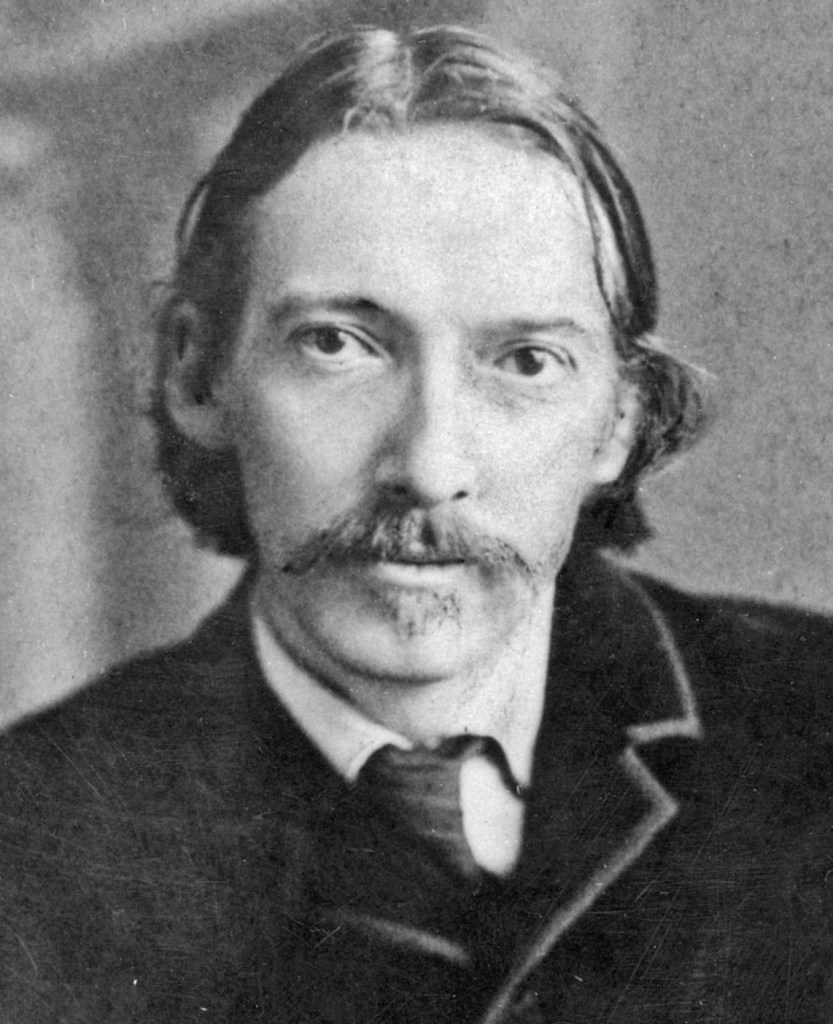
Robert Louis Stevenson, the celebrated author of Treasure Island and Strange Case of Dr Jekyll and Mr Hyde, is best known for his literary brilliance. However, his personal letters and writings also reveal a warm appreciation for simple pleasures, family gatherings, and festive traditions. A Stevenson Christmas, rooted in Victorian customs, would have been a delightful blend of hearty feasts, sweet treats, and the spirit of conviviality.
Victorian Christmas Influences
Stevenson lived during the height of the Victorian era, a time when Christmas became a grand celebration of family, charity, and indulgence. The traditions popularized by Queen Victoria and Prince Albert, such as decorating Christmas trees, exchanging gifts, and singing carols, would have colored Stevenson’s own celebrations.
The Victorians also embraced elaborate Christmas feasts, a custom that found its way into Stevenson’s personal life, especially as he often spent holidays surrounded by loved ones. While Stevenson’s later years saw him living abroad in the Pacific Islands, he likely reminisced about the Christmas traditions of his native Scotland and Victorian England.
The Christmas Feast: Savory Delights
A traditional Christmas meal during Stevenson’s time would have been a grand affair. The centerpiece of the meal was often roast goose or turkey, though in Stevenson’s Scottish homeland, roast beef or venison was also common. These meats were typically accompanied by:
• Plum pudding or bread sauce: Rich and flavorful, these were essential accompaniments.
• Roasted root vegetables: Carrots, parsnips, and potatoes, seasoned with herbs and butter.
• Mince pies: These small, spiced pastries filled with dried fruits and suet were a festive staple.
• Cranberry or redcurrant sauce: Served as a tangy counterpoint to the rich meats.
In his letters, Stevenson sometimes reflected on the comforts of a well-laid table and the joy of sharing meals with family, making it likely that such a feast would have been central to his Christmases.
Sweet Treats and Desserts
The Victorian era was also known for its array of Christmas desserts, many of which Stevenson might have enjoyed:
• Christmas pudding: Also known as plum pudding, this steamed dessert was made with dried fruits, spices, and brandy. It was often set alight before serving, a theatrical tradition that delighted diners.
• Shortbread: A Scottish specialty, this buttery biscuit would have been a nostalgic treat for Stevenson, connecting him to his Edinburgh roots.
• Yule log cake: Modeled after the traditional Yule log burned during pagan celebrations, this rolled sponge cake filled with cream and decorated like a log became a popular Victorian dessert.
• Sugar plums and marzipan fruits: These confectioneries were not only delicious but also decorative, often gracing Victorian Christmas tables.
Island Influences on Stevenson’s Celebrations
Later in life, Stevenson settled in Samoa, where he became known as Tusitala (“teller of tales”). While living in the South Pacific, his Christmases took on a unique flavor. Traditional Victorian dishes were complemented by local fruits like pineapples, coconuts, and bananas, which may have been incorporated into festive desserts or served fresh alongside imported treats.
The Spirit of Giving
Stevenson’s letters and essays often touch on themes of kindness, family, and generosity, reflecting the broader Victorian emphasis on Christmas as a time of giving. In one of his most famous gestures, he even gifted his own birthday to a young girl, Annie Ide, who disliked her Christmas Day birthday because it was overshadowed by the holiday. This act of selflessness embodies the true spirit of Christmas that Stevenson cherished.
A Robert Louis Stevenson Christmas would have been a joyful blend of tradition, literary charm, and culinary delight. From the rich, savory dishes of the Victorian table to the sweet confections of his Scottish heritage and the tropical fruits of his Samoan home, Stevenson’s Christmas celebrations reflect the warmth and generosity that defined both the holiday season and the man himself.

Traditional Scottish Shortbread Recipe
Scottish shortbread is a classic treat that embodies the simplicity and richness of traditional Scottish baking. This buttery biscuit, enjoyed during holidays like Christmas, pairs perfectly with tea or coffee. Here’s a recipe for authentic Scottish shortbread:
Ingredients
• 2 cups (240g) all-purpose flour
• 1/4 cup (30g) rice flour (for a delicate texture; can substitute cornstarch)
• 1/2 cup (100g) granulated sugar (plus extra for sprinkling)
• 1 cup (225g) unsalted butter, softened (at room temperature)
• 1/4 teaspoon salt
Instructions
1. Preheat the Oven
Preheat your oven to 325°F (160°C). Line a baking sheet with parchment paper or use a lightly greased shortbread pan.
2. Mix the Dry Ingredients
In a large mixing bowl, sift together the all-purpose flour, rice flour, and salt. Set aside.
3. Cream the Butter and Sugar
In a separate bowl, beat the softened butter and granulated sugar together until light and fluffy. This step is crucial for achieving the crumbly texture of traditional shortbread.
4. Combine Ingredients
Gradually add the dry ingredients to the butter-sugar mixture. Mix gently until the dough comes together. Avoid overmixing, as this can toughen the shortbread.
5. Shape the Dough
• For Traditional Shapes: Roll out the dough to about 1/2-inch thickness on a floured surface and cut into fingers, rounds, or wedges.
• Using a Shortbread Pan: Press the dough evenly into the pan, smoothing the surface.
6. Decorate
Prick the surface of the dough with a fork to create the signature shortbread pattern. Sprinkle lightly with granulated sugar for added sweetness.
7. Bake
Place the shortbread in the preheated oven and bake for 25–30 minutes, or until the edges are pale golden (not brown). The baking time may vary depending on the thickness and shape of your shortbread.
8. Cool and Serve
Allow the shortbread to cool in the pan for about 10 minutes, then transfer it to a wire rack to cool completely. Store in an airtight container to maintain freshness.
Tips for Perfect Shortbread
• Use High-Quality Butter: The flavor of shortbread comes largely from the butter, so choose the best you can find.
• Keep It Simple: Traditional shortbread has no added flavorings, but you can include a touch of vanilla or lemon zest for a modern twist.
• Low and Slow Baking: Baking at a lower temperature ensures the shortbread remains pale and crumbly.
Enjoy your homemade Scottish shortbread with a cup of tea, or gift it during the holidays for a touch of festive tradition!
 Not Your Grams Kitchen