

Emily Dickinson, one of America’s most beloved poets, is often remembered for her reclusive lifestyle and introspective poetry. However, during Christmas, the Dickinson household in Amherst, Massachusetts, was alive with festive traditions, warm gatherings, and culinary delights. While Dickinson herself was private and introspective, she was also known for her keen interest in baking and the joy she brought to her family and friends through handwritten notes, poems, and homemade treats.
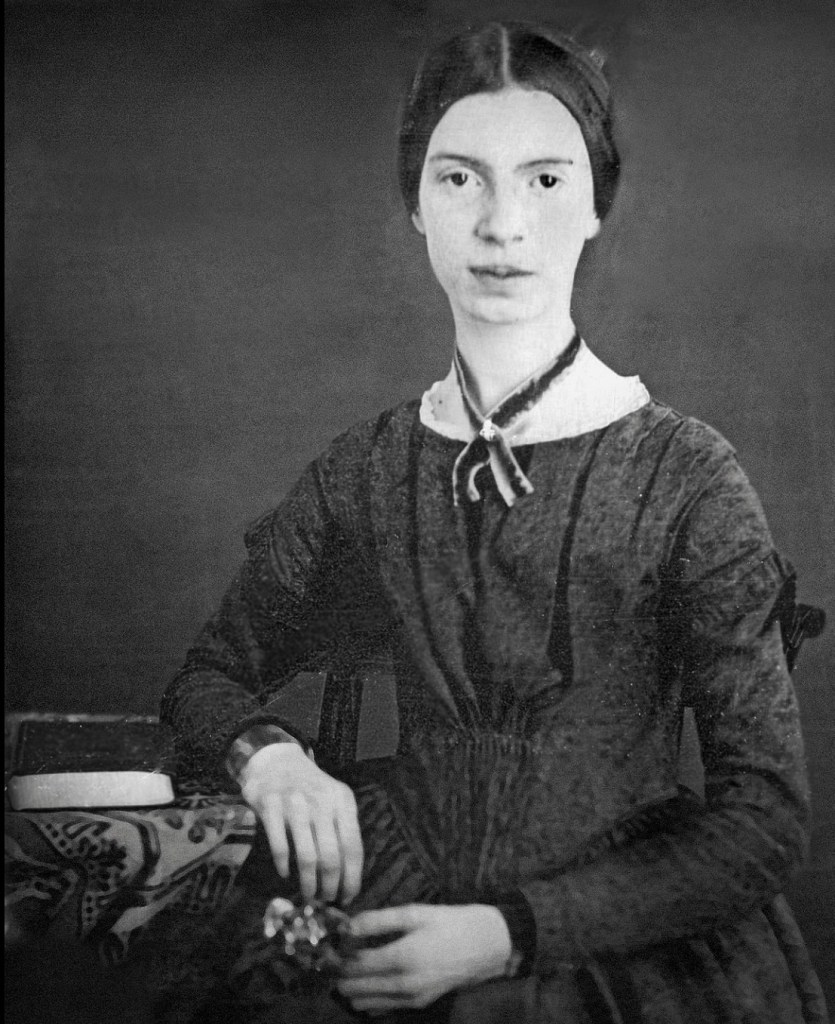
Let’s explore how an Emily Dickinson Christmas might have looked, including the foods and desserts that would have graced the poet’s table.
Christmas in the Dickinson Home
The mid-19th century was a time of changing Christmas traditions in New England. While Puritan influence had once discouraged elaborate celebrations, by Emily Dickinson’s time, Christmas was becoming a cherished holiday marked by gift-giving, feasting, and family gatherings. The Dickinson household reflected this shift, blending simplicity with warmth and creativity.
Emily’s sister-in-law, Susan Dickinson, often hosted family dinners at The Evergreens, the adjoining home to the Dickinson Homestead. Emily herself was known to share small, heartfelt gifts like handwritten poems, pressed flowers, and her famous baked goods. These tokens of affection showcased her thoughtfulness and creativity during the holiday season.
The Foods of an Emily Dickinson Christmas
While Emily Dickinson’s poetry offers few direct references to Christmas, her letters and recipes give us a glimpse into the kinds of foods that may have been enjoyed during the season. New England holiday fare in the 19th century was hearty, traditional, and centered around local ingredients.
Savory Dishes
1. Roast Goose or Turkey
A Christmas dinner staple in the Dickinson household likely featured a roast goose or turkey, seasoned with sage and stuffed with a savory bread dressing. These were often accompanied by rich gravies and cranberry sauce, made from the local Massachusetts cranberry bogs.
2. Oyster Stew
Oysters were a popular delicacy in 19th-century New England, often served as a warming first course. A simple stew of oysters, cream, butter, and pepper was both elegant and comforting.
3. Seasonal Vegetables
Root vegetables like parsnips, carrots, and potatoes, along with hearty winter greens, would have complemented the meal. These were prepared in simple, flavorful ways, often roasted or mashed with butter.
The Desserts and Sweet Treats of Christmas
Emily Dickinson had a passion for baking, and her homemade treats were renowned in her circle of family and friends. Her recipe collection, discovered after her death, includes some of the most iconic desserts of her time. During Christmas, the Dickinson household likely indulged in these sweets:
1. Gingerbread
Emily’s gingerbread recipe was beloved by those who knew her. Spiced with ginger, cinnamon, and molasses, this dessert embodied the warmth and comfort of the holiday season. She often wrapped slices of gingerbread in parchment paper and shared them as gifts.
2. Black Cake
A traditional New England Christmas dessert, black cake was a rich fruitcake made with dried fruits, nuts, spices, and often a generous helping of brandy. Its dense texture and long shelf life made it a holiday favorite.
3. Sugar Cookies
Emily was known for her sugar cookies, which she often baked in large batches and shared with friends, neighbors, and even the children of Amherst. Simple yet delicious, these cookies were likely flavored with nutmeg or lemon zest.
4. Apple Pandowdy
A quintessential New England dessert, apple pandowdy was a spiced apple pie with a rich, crumbly topping. Its rustic charm and warm flavors made it a perfect treat for cold winter evenings.
5. Homemade Candy
During the holidays, families often made candies like molasses taffy or maple sugar candies. These sweet treats were both festive and indulgent, adding to the holiday cheer.
A Poet’s Spirit of Giving
Emily Dickinson’s Christmas celebrations were less about grandeur and more about thoughtfulness. Her gifts, whether they were poems, baked goods, or small tokens, reflected her unique ability to bring joy and meaning to those around her. In a letter to a friend, she once wrote:
“I made my soul familiar with her extremity, that at the last she should not be a stranger…”
This sentiment, while reflective of her deeper meditations, also hints at the way she approached the holiday season—with a desire to connect and share pieces of herself.
Celebrating an Emily Dickinson Christmas Today
To recreate an Emily Dickinson-inspired Christmas, focus on simplicity, warmth, and heartfelt gestures. Bake a batch of gingerbread or sugar cookies, write a personal letter or poem to a loved one, and gather around a table filled with wholesome, traditional dishes. Embrace the spirit of the season by cherishing small moments and meaningful connections, just as the Dickinson family might have done in their Amherst home.
An Emily Dickinson Christmas reminds us that the holiday season is not about extravagance but about the joy of giving, the comfort of good food, and the enduring warmth of family and friends.

Apple Pandowdy Recipe
Apple pandowdy is a classic, rustic dessert featuring spiced apples baked under a flaky crust that’s partially pressed into the fruit during baking. Here’s how to make it:
Ingredients
For the Filling:
• 6-8 medium apples (such as Granny Smith or Honeycrisp), peeled, cored, and sliced
• 3/4 cup brown sugar
• 1/4 cup granulated sugar
• 1/4 cup all-purpose flour
• 1 teaspoon ground cinnamon
• 1/4 teaspoon ground nutmeg
• 1/4 teaspoon ground ginger
• 1/4 teaspoon salt
• 1 tablespoon lemon juice
• 2 tablespoons unsalted butter, cut into small pieces
For the Topping:
• 1 sheet puff pastry or pie crust, thawed if frozen
• 1 tablespoon milk or cream (for brushing)
• 1 tablespoon granulated sugar (optional, for sprinkling)
Instructions
1. Preheat the Oven:
Preheat your oven to 375°F (190°C). Grease a 9×13-inch baking dish or a deep pie dish.
2. Prepare the Filling:
• In a large bowl, combine the sliced apples, brown sugar, granulated sugar, flour, cinnamon, nutmeg, ginger, salt, and lemon juice. Mix well until the apples are evenly coated.
• Transfer the apple mixture to the prepared baking dish and dot the top with butter pieces.
3. Prepare the Crust:
• Roll out the puff pastry or pie crust to fit slightly larger than the baking dish. Lay the crust over the apples, tucking the edges down into the sides of the dish.
• Use a sharp knife to cut a few small slits in the crust to allow steam to escape.
4. Bake the Pandowdy:
• Brush the top of the crust with milk or cream and sprinkle with sugar if desired.
• Place the dish in the oven and bake for 25 minutes.
5. Dowdy the Crust:
• After 25 minutes, carefully remove the dish from the oven. Using the back of a spoon or a spatula, press portions of the crust down into the bubbling apple filling. This step creates the “dowdied” look and allows some of the juices to soak into the crust.
• Return the dish to the oven and bake for another 20-25 minutes, or until the crust is golden brown and the filling is bubbling.
6. Cool and Serve:
• Allow the pandowdy to cool for at least 15 minutes before serving. Serve warm with a scoop of vanilla ice cream or a dollop of whipped cream.
Enjoy this comforting and easy-to-make dessert that’s perfect for fall or any time you have fresh apples!

Emily Dickinson-Inspired Homemade Candy: Lavender Lemon Butter Toffee
Emily Dickinson was known for her love of baking and often included hints of flowers and herbs in her creations. This recipe for Lavender Lemon Butter Toffee captures her delicate, poetic spirit and her connection to nature.
Ingredients
For the Toffee:
• 1 cup unsalted butter (2 sticks)
• 1 cup granulated sugar
• 1/4 cup light corn syrup
• 2 tablespoons water
• 1/2 teaspoon salt
• 1 teaspoon lemon zest
• 1/2 teaspoon dried culinary lavender (ground finely or crushed with a mortar and pestle)
For the Topping:
• 4 ounces white chocolate, melted
• 1 tablespoon dried culinary lavender (for garnish)
• 1 tablespoon lemon zest (for garnish)
Instructions
1. Prepare Your Workspace:
• Line a baking sheet with parchment paper or a silicone mat.
• Have all ingredients measured and ready, as candy-making moves quickly.
2. Cook the Toffee:
• In a heavy-bottomed saucepan, combine butter, sugar, corn syrup, water, and salt.
• Cook over medium heat, stirring constantly, until the butter melts and the sugar dissolves.
• Attach a candy thermometer to the side of the pan, making sure the tip does not touch the bottom. Continue to cook, stirring occasionally, until the mixture reaches 300°F (hard-crack stage). This will take about 10-15 minutes.
3. Add Flavorings:
• Once the mixture reaches 300°F, quickly remove it from heat. Stir in the lemon zest and crushed lavender. Be careful as the mixture will be extremely hot.
4. Pour and Cool:
• Pour the hot toffee onto the prepared baking sheet, spreading it into an even layer with a heatproof spatula. Allow it to cool completely, about 30 minutes.
5. Add the Topping:
• Once the toffee is cool and set, drizzle the melted white chocolate over the surface and spread it evenly.
• While the chocolate is still wet, sprinkle the top with dried lavender and lemon zest.
6. Break Into Pieces:
• Once the chocolate has hardened, break the toffee into bite-sized pieces.
7. Store and Serve:
• Store the candy in an airtight container at room temperature for up to two weeks. This makes a lovely gift or an elegant treat for tea time, inspired by Emily Dickinson’s love for nature and simplicity.
Enjoy this fragrant, sweet, and slightly tangy candy while reading her poetry or enjoying a quiet afternoon!
 Not Your Grams Kitchen