

Mark Twain, the beloved American humorist and author, was a man of many talents and interests, including a deep appreciation for family gatherings and fine food. Christmas in the Twain household was a magical time filled with joy, storytelling, and indulgent feasts. Twain’s nostalgic writings often reflect the warmth of holiday traditions, and the culinary delights associated with a 19th-century Christmas paint a vivid picture of the era’s festive spirit.
Christmas in the Twain Household
Samuel Langhorne Clemens, better known by his pen name Mark Twain, spent much of his life cultivating a love for the comforts of home and hearth. His family, including his wife Olivia and their three daughters, cherished the holiday season. For Twain, Christmas was not just a religious celebration but also a time to revel in good food, laughter, and gift-giving. Twain was known for his generosity, often delighting his family with thoughtful presents and handwritten stories.
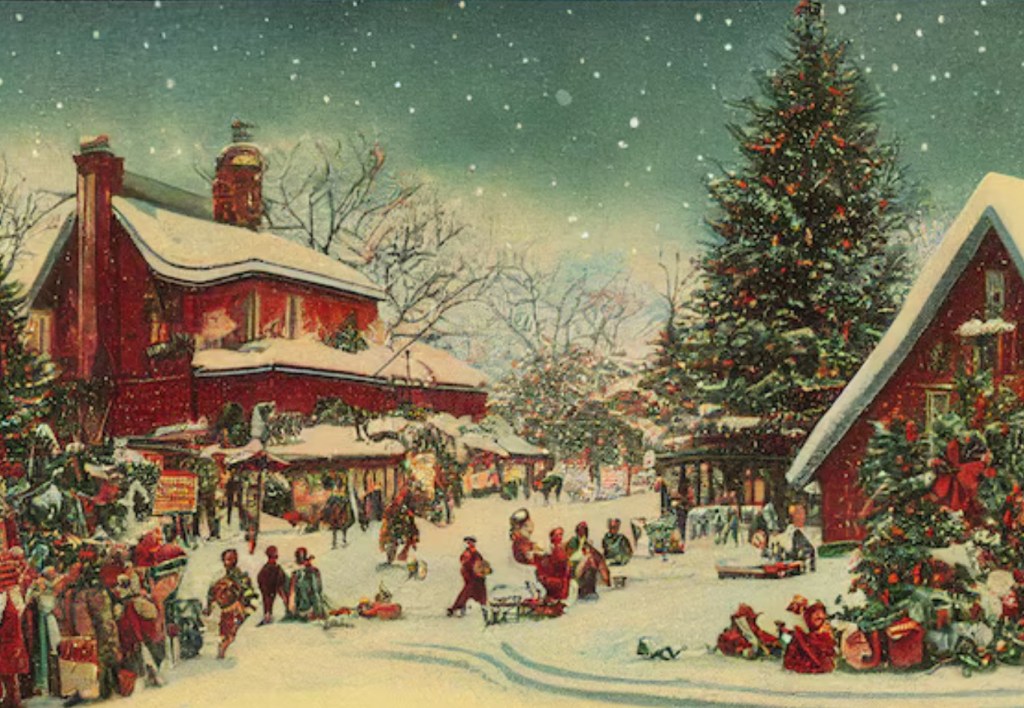
The Clemens family home would have been adorned with natural decorations like holly, pine boughs, and hand-crafted ornaments, reflecting the Victorian aesthetic. Traditional carols and the warmth of a roaring fire would set the stage for the holiday feast.
A Victorian Christmas Feast
The heart of any Twain Christmas celebration was undoubtedly the feast. 19th-century holiday menus were a lavish affair, blending hearty American traditions with Victorian elegance. Twain himself was a gourmand, famously chronicling his favorite foods in A Tramp Abroad, where he lamented the blandness of European cuisine and celebrated the richness of American fare.
A typical Christmas dinner in the Twain household would have included a range of dishes:
• Roast Meats: Turkey, goose, or even roast beef were the centerpiece of the holiday table. These dishes were often stuffed with savory bread or sausage-based dressings.
• Game: Twain enjoyed game meats such as venison or quail, which may have made an appearance at Christmas feasts, particularly if the Clemens family entertained guests.
• Oysters: Oyster stew or oysters Rockefeller were popular Victorian appetizers, reflecting the era’s fondness for seafood.
• Vegetables: Seasonal side dishes such as roasted parsnips, creamed onions, or glazed carrots added color and warmth to the table.
Desserts: Twain’s Sweet Tooth
Twain’s writings reveal his fondness for desserts, which were an essential part of any holiday meal. Christmas desserts in the Clemens household would have reflected both American and European influences:
• Plum Pudding: A Victorian classic, this steamed dessert, rich with dried fruits and spices, was often flambéed with brandy and served with a hard sauce.
• Mince Pie: Filled with spiced meat, dried fruits, and suet, mince pies were a staple of the season and a likely feature at the Clemens Christmas table.
• Layer Cakes: Twain often mentioned his love for cakes, and desserts like coconut cake or spice cake would have been popular during the holidays.
• Gingerbread: The spicy, molasses-rich treat was a Christmas favorite, enjoyed as cookies or cake.
• Homemade Candies: Fudge, peppermint sticks, and candied fruits were often made at home and shared as part of the celebration.
Twain’s Humor and Holiday Spirit
Twain’s unique humor undoubtedly brought an added layer of joy to Christmas gatherings. His playful wit and love for storytelling would have entertained his family and friends, making the holiday not just about food but also about connection and shared laughter. Twain’s letters and essays often reveal his sentimentality about traditions, and it’s easy to imagine him delighting in the ritual of carving the turkey or passing around a bowl of steaming wassail.
A Timeless Tradition
A Mark Twain Christmas is a reminder of the enduring joys of the holiday season: family, generosity, and the pleasures of a well-laid table. While the specific dishes may have changed over time, the spirit of togetherness and indulgence remains timeless.
In Twain’s words, “Good friends, good books, and a sleepy conscience: this is the ideal life.” During Christmas, it seems Twain would add one more thing to that list—good food.

Classic Layered Coconut Cake Recipe
This recipe is inspired by the Victorian tradition of indulgent holiday desserts and remains a timeless treat. Its moist, fluffy layers and rich coconut flavor make it the perfect centerpiece for any festive gathering.
Ingredients
For the Cake:
• 3 cups all-purpose flour
• 2 ½ teaspoons baking powder
• ½ teaspoon baking soda
• ½ teaspoon salt
• 1 cup unsalted butter, softened
• 2 cups granulated sugar
• 4 large eggs
• 1 teaspoon vanilla extract
• 1 teaspoon coconut extract
• 1 cup coconut milk (unsweetened, canned or fresh)
• ½ cup sour cream
For the Frosting:
• 1 cup unsalted butter, softened
• 4 cups powdered sugar, sifted
• ½ cup coconut milk
• 1 teaspoon coconut extract
• Pinch of salt
For Assembly:
• 2 cups sweetened shredded coconut (for coating)
Instructions
1. Preheat the Oven:
Preheat your oven to 350°F (175°C). Grease and flour three 8-inch round cake pans, then line the bottoms with parchment paper for easy release.
2. Prepare the Cake Batter:
• In a medium bowl, whisk together the flour, baking powder, baking soda, and salt.
• In a large mixing bowl, beat the butter and sugar together with an electric mixer until light and fluffy (about 3 minutes).
• Add the eggs one at a time, beating well after each addition. Stir in the vanilla and coconut extracts.
• Alternate adding the dry ingredients and the coconut milk to the butter mixture, beginning and ending with the dry ingredients. Mix just until combined.
• Gently fold in the sour cream to ensure a tender crumb.
3. Bake the Cakes:
• Divide the batter evenly among the prepared pans.
• Bake for 25–30 minutes, or until a toothpick inserted in the center comes out clean.
• Let the cakes cool in the pans for 10 minutes, then transfer them to a wire rack to cool completely.
4. Prepare the Frosting:
• Beat the butter in a large mixing bowl until creamy. Gradually add the powdered sugar, one cup at a time, beating well after each addition.
• Mix in the coconut milk, coconut extract, and a pinch of salt. Beat until the frosting is smooth and fluffy.
5. Assemble the Cake:
• Place one cake layer on a serving plate. Spread a generous layer of frosting over the top. Repeat with the second layer.
• Add the final cake layer and frost the top and sides of the cake.
• Gently press the shredded coconut into the frosting, covering the cake completely.
6. Chill and Serve:
• Chill the cake in the refrigerator for at least 30 minutes to set the frosting.
• Serve at room temperature, and enjoy this sweet, snowy coconut delight!
This layered coconut cake is a showstopper for holiday celebrations or any special occasion. Its light and moist texture, paired with the creamy coconut frosting, is sure to delight your guests!
Traditional Mince Pie Recipe
Mince pies are a classic holiday treat with roots in Victorian England, featuring a rich, spiced filling of fruits, nuts, and warm spices encased in buttery pastry. This recipe is perfect for bringing a touch of historic holiday charm to your table.
Ingredients
For the Pastry:
• 2 ½ cups all-purpose flour
• 1 tablespoon granulated sugar
• ½ teaspoon salt
• 1 cup (2 sticks) unsalted butter, cold and cubed
• 4–6 tablespoons ice water
For the Mincemeat Filling:
• 2 cups mixed dried fruits (raisins, currants, dried cranberries, or chopped dried apricots)
• 1 small apple, peeled, cored, and finely diced
• ½ cup brown sugar
• ½ teaspoon ground cinnamon
• ½ teaspoon ground nutmeg
• ¼ teaspoon ground cloves
• ¼ teaspoon ground allspice
• 1 tablespoon lemon zest
• 1 tablespoon orange zest
• 2 tablespoons freshly squeezed lemon juice
• 3 tablespoons freshly squeezed orange juice
• ¼ cup brandy (or apple cider for a non-alcoholic option)
• ¼ cup chopped nuts (optional, such as almonds or walnuts)
For Assembly and Finishing:
• 1 egg, beaten (for egg wash)
• Powdered sugar, for dusting (optional)
Instructions
1. Prepare the Pastry:
1. In a large bowl, whisk together the flour, sugar, and salt.
2. Add the cold, cubed butter and use a pastry cutter or your fingers to cut it into the flour until the mixture resembles coarse crumbs.
3. Gradually add the ice water, 1 tablespoon at a time, mixing until the dough just comes together. Do not overwork the dough.
4. Divide the dough into two discs, wrap in plastic wrap, and chill in the refrigerator for at least 30 minutes.
2. Make the Mincemeat Filling:
1. In a medium saucepan, combine the dried fruits, apple, brown sugar, spices, lemon zest, orange zest, lemon juice, orange juice, brandy (or cider), and nuts (if using).
2. Cook over medium heat, stirring occasionally, for about 10–15 minutes or until the mixture thickens and the fruits are plump.
3. Remove from heat and let the filling cool completely.
3. Assemble the Mince Pies:
1. Preheat your oven to 375°F (190°C) and grease a 12-cup muffin tin.
2. Roll out one disc of pastry on a floured surface to about ⅛-inch thickness. Use a round cutter (about 4 inches in diameter) to cut out circles of dough. Press the circles into the muffin tin to form the pie bases.
3. Fill each pastry shell with about 1–2 tablespoons of the mincemeat filling.
4. Roll out the second disc of pastry and cut out smaller circles or decorative shapes to use as tops for the pies. Place the tops over the filling and press the edges to seal. For a more rustic look, leave the pies open-faced.
5. Brush the tops with beaten egg for a golden finish.
4. Bake the Pies:
1. Bake in the preheated oven for 20–25 minutes, or until the pastry is golden brown.
2. Allow the pies to cool in the tin for 5 minutes before transferring them to a wire rack to cool completely.
5. Serve:
Dust the mince pies with powdered sugar before serving, if desired. They can be enjoyed warm or at room temperature, and pair wonderfully with a cup of tea or mulled wine.
These delightful little pies are a perfect way to bring Victorian holiday traditions to your modern Christmas celebration. Enjoy the rich, spiced flavors that have charmed holiday tables for centuries!

Victorian-Style Fudge Recipe
Fudge became a popular treat in the late 19th century, especially in America and England, where Victorian cooks delighted in creating sweet confections. This traditional-style recipe uses simple ingredients and the time-honored method of boiling and hand-beating to achieve a smooth, creamy texture.
Ingredients
• 2 cups granulated sugar
• 1 cup whole milk or cream
• ¼ cup unsalted butter
• 2 ounces unsweetened chocolate, finely chopped (or cocoa powder as an alternative)
• 1 teaspoon vanilla extract
Instructions
1. Prepare Your Tools:
1. Grease an 8×8-inch pan or line it with parchment paper.
2. Have a candy thermometer ready, or prepare a bowl of ice-cold water for the “soft ball” test.
2. Combine Ingredients:
1. In a heavy-bottomed saucepan, combine the sugar, milk, butter, and chocolate.
2. Place the saucepan over medium heat and stir constantly with a wooden spoon until the sugar dissolves and the chocolate is melted.
3. Cook the Mixture:
1. Continue cooking the mixture, stirring occasionally, until it reaches 234°F–240°F (the “soft ball” stage) on a candy thermometer. If you don’t have a thermometer, drop a small amount of the mixture into the cold water. If it forms a soft ball that flattens when removed, it’s ready.
2. Remove the saucepan from heat immediately.
4. Cool the Mixture:
1. Let the mixture cool undisturbed to about 110°F, or until it’s warm but not hot to the touch. This cooling step is essential for achieving a smooth fudge texture.
5. Beat the Fudge:
1. Add the vanilla extract.
2. Using a wooden spoon, beat the mixture vigorously until it thickens and loses its glossy sheen (about 5–10 minutes). This step requires patience and effort but is key to achieving the creamy, melt-in-your-mouth consistency.
6. Set the Fudge:
1. Quickly pour the fudge into the prepared pan, spreading it evenly.
2. Let it cool completely at room temperature.
7. Cut and Serve:
1. Once set, cut the fudge into small squares or rectangles. Victorian fudge was often served in bite-sized pieces on elegant trays.
2. Store in an airtight container for up to two weeks.
Tips for Victorian Authenticity
• For a more old-fashioned flavor, you can substitute half the sugar with brown sugar for a slight molasses undertone.
• Victorian cooks often added nuts, like chopped walnuts or almonds, to their fudge for texture.
• Package your fudge in decorative tins or wrap it in waxed paper tied with ribbon for a traditional presentation.
Enjoy this classic confection and imagine the delight it would have brought to a Victorian holiday tea or gathering!
 Not Your Grams Kitchen